
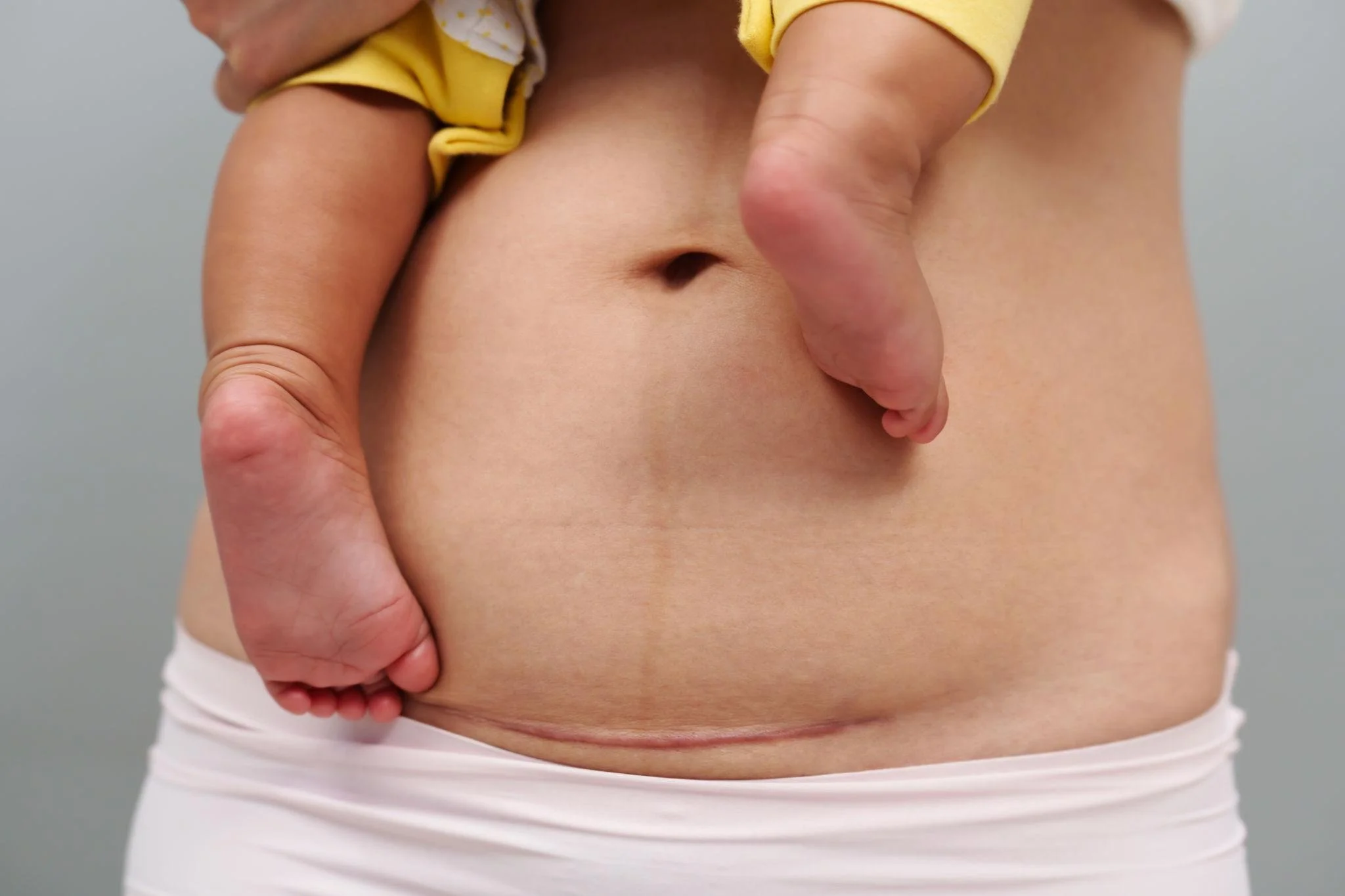
After a cesarean birth, many mothers find themselves asking a difficult question during their next pregnancy: Should I attempt a VBAC or schedule another cesarean?
While every story and every pregnancy is unique, one thing remains true—God created mothers with strength, wisdom, and the ability to make informed decisions for their families. Whether you are leaning toward a vaginal birth after cesarean (VBAC) or a repeat C-section, this decision deserves prayer, education, and support.
Understanding the Difference Between TOLAC and VBAC
Two terms are commonly used in the birth world: TOLAC and VBAC.
TOLAC: stands for Trial of Labor After Cesarean. This simply means a mother is attempting labor after a previous C-section.
VBAC stands for Vaginal Birth After Cesarean, which is the successful vaginal birth after that labor attempt.
In simple terms:
The attempt is TOLAC, and the outcome is VBAC.
Many providers use these terms interchangeably, but understanding the difference can help parents feel more informed and empowered during pregnancy and labor.
The Benefits and Risks of Choosing a VBAC or Repeat Cesarean
For many women, VBAC can offer both physical and emotional benefits. Research shows that VBAC is a safe option for many mothers with a previous low-transverse cesarean incision.
Some potential benefits of VBAC include:
Avoiding another major abdominal surgery
Shorter recovery time
Lower risk of infection and excessive blood loss
Many mothers also describe experiencing emotional healing through a VBAC after a difficult or unexpected cesarean birth.
At the same time, every birth option comes with risks, and informed decision-making matters deeply. The primary risk associated with TOLAC is uterine rupture, which is rare but serious. Studies show it occurs in less than 1% of VBAC attempts.
A repeat cesarean also carries risks, including:
Surgical complications
Longer recovery
Increased scar tissue
Higher risks in future pregnancies, such as placenta accreta and hemorrhage
This is why discussing your personal medical history with a supportive provider is so important. The goal is not fear-based decision-making, but informed and peaceful decision-making.
How a VBAC May Look Different Than a Traditional Vaginal Birth
A VBAC labor often looks similar to any other vaginal delivery, but there can be additional monitoring and precautions.
Some differences may include:
Continuous fetal monitoring during labor
More discussions surrounding interventions and induction methods
Closer observation by providers throughout labor
Emotionally, VBAC mothers may also carry previous birth trauma, anxiety, or fear into labor. This is why preparation and support are so important.
Find a VBAC-Supportive Team
One of the most important parts of preparing for a VBAC is surrounding yourself with people who support your vision for birth.
Not every hospital or provider fully supports VBAC. Some hospitals even have restrictions that make VBAC difficult or unavailable. Look for hospitals with higher VBAC rates, providers who openly support evidence-based VBAC care, and a team that truly listens to your goals and concerns without using fear tactics.
Never be afraid to ask questions like:
“What is your VBAC success rate?”
“What situations would lead you to recommend a repeat cesarean?”
Your provider should make you feel informed, respected, and safe.
Adding a doula to your birth team can also provide encouragement and support during labor, help with comfort measures, assist in communicating your preferences, and offer reassurance if labor becomes emotionally overwhelming. Many VBAC success stories mention how valuable supportive birth professionals were during labor.
Education Builds Confidence
Fear often grows where information is lacking.
One of the best things parents can do is become educated on both VBAC and repeat cesarean birth. Resources like The VBAC Link provide evidence-based information, podcasts, and encouragement for families navigating these decisions. They also offer educational courses for parents who want to feel more prepared and confident during their VBAC journey.
A Faith-Based Perspective
As Christian mothers, we can hold our birth plans with open hands while still preparing intentionally. Choosing a VBAC or repeat cesarean is not about proving strength or achieving a “perfect” birth experience. It is about making prayerful, informed decisions rooted in peace rather than fear.
Isaiah 41:10 reminds us:
“Fear not, for I am with you… I will strengthen you and help you.”
No matter how your baby enters the world, your birth story matters, and you deserve compassionate, supportive care along the way.