
The Brewer Diet: A Nourishing Approach to Pregnancy Nutrition
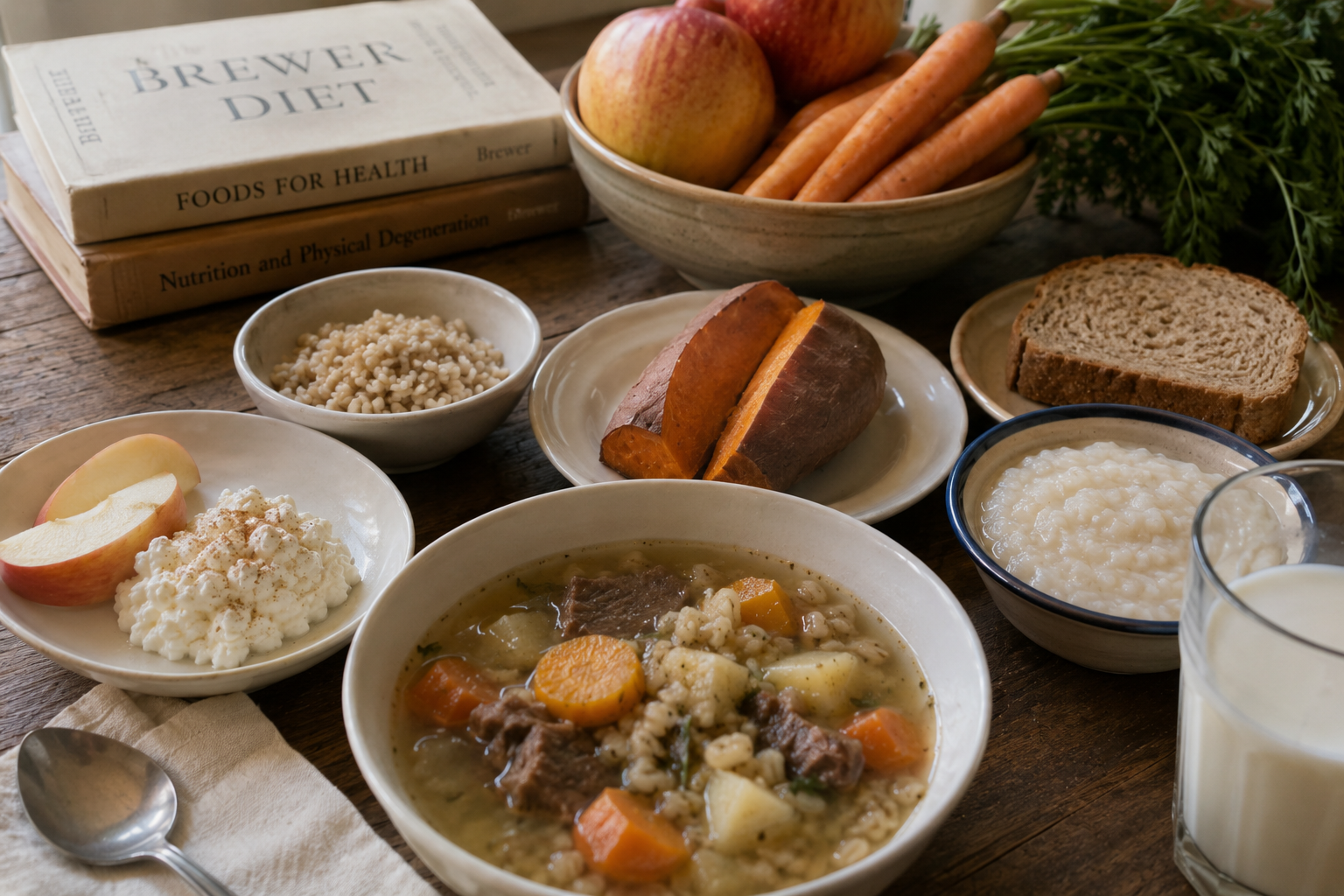
Pregnancy is one of the most nutritionally demanding seasons of a woman’s life. Your body is growing a brand new human being, increasing blood volume, building a placenta, supporting amniotic fluid levels, developing maternal tissues, and preparing for birth and postpartum recovery… all at the same time. Because of this, many women begin searching for ways to truly nourish themselves during pregnancy beyond the typical “eat healthy” advice.
One approach that has stood the test of time in many birth communities is the Brewer Diet.
The Brewer Diet is a whole-food, protein-rich pregnancy nutrition plan developed by Dr. Tom Brewer, an obstetrician who believed that many pregnancy complications were connected to inadequate nutrition and poor blood volume expansion during pregnancy. His work became especially influential among midwives, childbirth educators, natural birth advocates, and many mothers seeking a more nourishing and proactive approach to pregnancy.
While the Brewer Diet can sometimes sound intimidating at first, its core message is actually simple:
Pregnant mamas need abundant, nutrient-dense food — not restriction.
In this blog post, we’ll take a deep dive into the history of the Brewer Diet, Dr. Tom Brewer’s philosophy, how the diet works, practical ways to follow it, common foods included in the plan, and why many mothers and birth workers still appreciate its principles today.
Who Was Dr. Tom Brewer?
Dr. Tom Brewer was an obstetrician who began researching pregnancy nutrition in the 1950s and 1960s. During his medical training and years of practice, he became increasingly concerned with the standard nutritional advice being given to pregnant women. At the time, many women were encouraged to restrict calories, limit weight gain, reduce salt intake, and eat low-fat diets. Dr. Brewer believed these recommendations often contributed to poor maternal nutrition, inadequate blood volume expansion, swelling caused by low protein levels, and complications such as preeclampsia. After working with thousands of pregnant women (including many in underserved communities), he developed what became known as the Brewer Pregnancy Diet. His philosophy centered around the idea that pregnancy is not a time for restriction, but rather a time for deep nourishment.
The Core Philosophy Behind the Brewer Diet
The Brewer Diet focuses heavily on high-quality protein, adequate calories, mineral-rich whole foods, salt to taste, good hydration, and consistent nourishment throughout the day. Dr. Brewer believed the pregnant body needs enough nutrition to properly expand blood volume. Blood volume increases dramatically during pregnancy, and this expansion supports placental health, nutrient delivery to baby, oxygen transport, amniotic fluid levels, maternal energy, and healthy fetal growth. When mothers are undernourished or restricting calories, protein, or salt, Brewer believed the body could struggle to maintain optimal blood volume. One thing many women appreciate about the Brewer Diet is that it views pregnancy weight gain differently than modern diet culture often does. Rather than focusing heavily on limiting weight gain, the Brewer Diet focuses on the quality and abundance of nourishment.
What Does the Brewer Diet Recommend?
The Brewer Diet is not a trendy “diet” in the modern sense. It is really a framework for nutrient-dense pregnancy eating. The traditional Brewer Diet generally recommends around 2,600 nutritious calories daily, approximately 80–120 grams of protein per day, whole nutrient-dense foods, salt to taste, plenty of water and fluids, and frequent meals and snacks. The emphasis is not on counting every calorie obsessively, but rather on consistently eating enough nourishing foods.
The Brewer Diet Food Groups
The Brewer Diet uses food groups as a guide to help mothers eat a balanced variety of foods throughout the day.
Protein:
Protein helps support blood volume expansion, baby’s growth and development, placental health, tissue repair, hormone production, and maternal muscle and organ support.
Common Brewer Diet protein foods include eggs, chicken, turkey, fish, greek yogurt, cottage cheese, cheese, milk, beans, lentils, nuts, seeds, peanut butter, bone broth, tofu, and tempeh.
Dairy/Calcium:
The Brewer Diet traditionally includes several servings of dairy or calcium-rich foods daily such as milk, yogurt, cheese, kefir, cottage cheese, and calcium-rich alternatives (if dairy is not tolerated). These foods provide calcium, protein, fat, and other important nutrients needed during pregnancy.
Whole Grains/Complex Carbohydrates:
Unlike many modern low-carb trends, the Brewer Diet includes nourishing carbohydrates. Whole grains provide energy, fiber, B vitamins, minerals, and sustained blood sugar support. Some examples include oatmeal, whole grain bread, brown rice, potatoes, sweet potatoes, quinoa, corn tortillas, and whole wheat pasta. The Brewer Diet generally encourages avoiding heavily processed “empty calorie” foods while still eating enough carbohydrates for energy.
Fruits and Vegetables:
The Brewer Diet encourages colorful produce daily. Dark leafy greens are especially emphasized because of their nutrient density. Things like spinach, kale, broccoli, romaine lettuce, bell peppers, oranges, berries, carrots, sweet potatoes, avocados, and bananas are encouraged. These foods provide folate, vitamin C, potassium, magnesium, fiber, and antioxidants.
Salt:
One of the most controversial aspects of the Brewer Diet is its stance on salt. Many women are surprised to learn that Dr. Brewer did not recommend routine salt restriction in pregnancy. Instead, he encouraged women to salt food to taste unless medically instructed otherwise. He believed adequate salt intake worked together with protein and hydration to support healthy blood volume expansion. This is one reason many women following the Brewer Diet focus on balanced hydration instead of simply drinking massive amounts of plain water without minerals. Of course, every woman’s medical situation is unique, and women with specific medical conditions should always discuss dietary needs with their healthcare provider. Please note this needs to be high quality salt. I recommend Redmond’s Real Salt.
Why Many Mothers Appreciate the Brewer Diet
Many mothers are drawn to the Brewer Diet because it feels nourishing instead of restrictive, grounded in whole foods, supportive of healthy pregnancy weight gain, focused on blood sugar stability, and encouraging rather than fear-based. Many women also report that prioritizing protein and nutrient-dense foods helps them feel fuller longer, experience steadier energy, reduce intense hunger swings, support healthy fetal growth, and improve overall well-being during pregnancy. Within natural birth communities, many midwives and doulas appreciate that the Brewer Diet emphasizes foundational nutrition instead of simply reacting to symptoms later.
A Typical Day on the Brewer Diet
One of the biggest misconceptions about the Brewer Diet is that it requires eating perfectly or preparing elaborate meals. In reality, many women follow the principles in a flexible and practical way.
Here is an example of what a Brewer-inspired day might look like.
Breakfast
3 scrambled eggs cooked in butter, whole grain toast with avocado, Greek yogurt with berries, and orange juice or milk
Mid-Morning Snack
Apple with peanut butter, cheese stick, and a handful of nuts
Lunch
Grilled chicken salad with olive oil dressing, whole grain crackers, cottage cheese, and fruit
Afternoon Snack
Smoothie with milk, banana, Greek yogurt, berries, and nut butter
Dinner
Grass-fed beef or salmon, roasted potatoes, steamed broccoli with butter, and a side salad
Evening Snack
Toast with almond butter and a glass of milk or kefir
Brewer Diet Tips for Real-Life Pregnancy
Pregnancy can come with nausea, food aversions, fatigue, busy schedules, and limited appetite. The Brewer Diet does not have to be followed perfectly to be beneficial. Some practical ways to increase nourishment include:
• Prioritize protein early in the day
• Keep easy snacks avaialable
• Add nutrients instead of restricting
• Eat frequently
What About Vegetarians?
The Brewer Diet can be adapted for vegetarians. Vegetarian protein sources may include eggs, dairy, lentils, beans, tofu, tempeh, quinoa, nuts and seeds, Greek yogurt, and protein smoothies. The key is intentionally including enough protein and calories throughout the day.
Criticisms and Controversy Around the Brewer Diet
It is important to acknowledge that the Brewer Diet is not universally accepted in modern obstetrics. Some healthcare providers disagree with certain aspects of the diet, especially the recommendations surrounding salt intake and some of Dr. Brewer’s conclusions about pregnancy complications. However, even among providers who may not fully embrace the Brewer Diet, many still agree with several of its core principles: pregnancy increases nutritional demands, protein is critically important during pregnancy, whole foods matter, extreme calorie restriction during pregnancy can be harmful, and blood sugar stability and nutrient density are beneficial. Many modern prenatal nutrition experts today continue emphasizing higher protein intake and nutrient-dense whole foods during pregnancy.
The Brewer Diet and Modern Pregnancy Nutrition
Interestingly, many current pregnancy nutrition recommendations overlap with ideas that the Brewer Diet emphasized decades ago. Today, many women are intentionally focusing on more protein, blood sugar balance, whole foods, healthy fats, mineral-rich foods, and reducing ultra-processed foods. In many ways, the Brewer Diet was ahead of its time in encouraging mothers to deeply nourish themselves during pregnancy.
The Brewer Diet, Preeclampsia, and Placental Health
One of the main reasons the Brewer Diet became so influential in natural birth communities was Dr. Brewer’s belief that strong maternal nutrition could help reduce the risk of preeclampsia and support healthier placental function. Preeclampsia is a serious pregnancy complication involving high blood pressure and signs of stress on organs and body systems during pregnancy. It can become dangerous for both mother and baby if severe. Dr. Brewer believed that inadequate nutrition, especially insufficient protein, calories, minerals, and overall blood volume expansion, placed stress on the body and placenta during pregnancy. His theory centered heavily around blood volume. During pregnancy, a mother’s blood volume dramatically expands in order to support the placenta and growing baby. The placenta relies on strong blood flow and adequate maternal circulation to transport
My Perspective as a Doula
As doulas, we often see how deeply nourishment impacts pregnancy, labor, postpartum recovery, and overall maternal well-being. Food is not just fuel during pregnancy. It becomes building blocks for your baby, support for your placenta and blood volume, energy for labor, recovery support for postpartum, and nourishment for breastfeeding. Many mothers today are exhausted by diet culture and fear-based messaging around pregnancy weight gain. One thing many women appreciate about the Brewer Diet is its reminder that pregnancy is not a time to shrink yourself. It is a time to nourish yourself well.
The Brewer Diet “Emergency Protocol”
Within Brewer Diet circles, you may sometimes hear women discuss something called the “Emergency Protocol.” This protocol was developed by Dr. Tom Brewer and others who followed his nutritional philosophy as a short-term, intensive nutrition plan intended to support mothers experiencing concerning pregnancy symptoms such as sudden swelling, rapid weight gain from fluid retention, elevated blood pressure, headaches, visual disturbances, or other signs that could potentially indicate developing preeclampsia. It is extremely important to understand that the Emergency Protocol is not a replacement for medical care. Symptoms of preeclampsia can become serious very quickly, and pregnant women experiencing these symptoms should always contact their healthcare provider immediately. The idea behind the Emergency Protocol is rooted in the Brewer Diet’s belief that inadequate protein intake, poor blood volume expansion, mineral imbalance, and undernourishment can place stress on the maternal body and placenta during pregnancy.
One commonly discussed version of the Brewer Emergency Protocol involves consuming one egg AND 8 ounces of milk every hour while awake, continued approximately for three days.
Alongside the eggs and milk, women are also encouraged to continue eating nourishing whole foods, salting food to taste, and drinking fluids regularly.
The reasoning behind this protocol is that eggs and milk provide concentrated sources of high-quality protein, fat, calories, calcium, minerals, and electrolytes. Supporters of the protocol believe this intensive nourishment may help support blood volume expansion and provide the body with rapidly available nutrition during times of increased pregnancy stress. In addition to the eggs-and-milk portion of the “emergency protocol”, women are often encouraged to continue eating balanced meals with foods such as meat, potatoes, cheese, yogurt, fruit, whole grains, and other nutrient-dense foods. One commonly discussed aspect of the Emergency Protocol is its focus on supporting blood volume. Dr. Brewer believed that when the body lacks adequate protein and nourishment, fluid may shift improperly into tissues rather than remaining effectively within circulation. In his view, this could contribute to swelling, circulatory stress, and placental strain during pregnancy.Supporters of the protocol often believe that aggressively improving nutrition and hydration may help support the body during times of increased stress in pregnancy. However, it is important to recognize that preeclampsia is a serious medical condition requiring professional evaluation and monitoring. Nutritional support may be beneficial, but severe symptoms should never be managed at home without medical supervision. Because of this, many women interested in the Brewer Diet choose to view the Emergency Protocol as a supportive nutritional measure alongside professional medical care, not as an alternative to evaluation or treatment. As always, pregnant mamas experiencing symptoms such as severe swelling, high blood pressure, headaches, visual changes, upper abdominal pain, or decreased fetal movement should seek prompt medical attention.
Final Thoughts on the Brewer Diet
The Brewer Diet continues to remain popular among many midwives, doulas, childbirth educators, and mothers who value whole-food pregnancy nutrition. Whether you follow the Brewer Diet closely or simply adopt some of its principles, its core message is an encouraging one: pregnancy requires abundant nourishment. Prioritizing protein, whole foods, minerals, healthy fats, hydration, and adequate calories can help mothers feel stronger, more supported, and more nourished throughout pregnancy. One reason the Brewer Diet continues to resonate with so many women is because it shifts the conversation away from fear and restriction. Instead of focusing primarily on avoiding weight gain or cutting foods out, the Brewer Diet encourages mothers to intentionally nourish themselves and their growing babies. For many women, that perspective alone can feel deeply freeing. As doulas, we often see how much a mother’s nourishment impacts her energy, recovery, emotional well-being, and overall pregnancy experience. While no diet can guarantee a perfect pregnancy, giving your body consistent, nutrient-dense nourishment is one of the most powerful ways to support yourself during this season. If you are interested in trying the Brewer Diet, remember that perfection is not the goal. Start small. Add more protein to breakfast. Keep nourishing snacks nearby. Eat enough throughout the day. Focus on whole foods whenever possible. Small changes can make a meaningful difference over time. As always, every pregnancy is unique, and women with medical conditions or special dietary needs should work with a trusted healthcare provider when making nutritional decisions during pregnancy. But for many mothers, the Brewer Diet offers a refreshing reminder that pregnancy is not a time to deprive yourself. It is a time to nourish yourself deeply.
Click the link below to download a Brewer Diet Nutrition Worksheet:
Click here for more information about the Brewer Diet.
This blog post is for educational purposes only and should not replace personalized medical advice from your healthcare provider.