
Hospital Labor Triage Explained: What You Should Know Before Admission
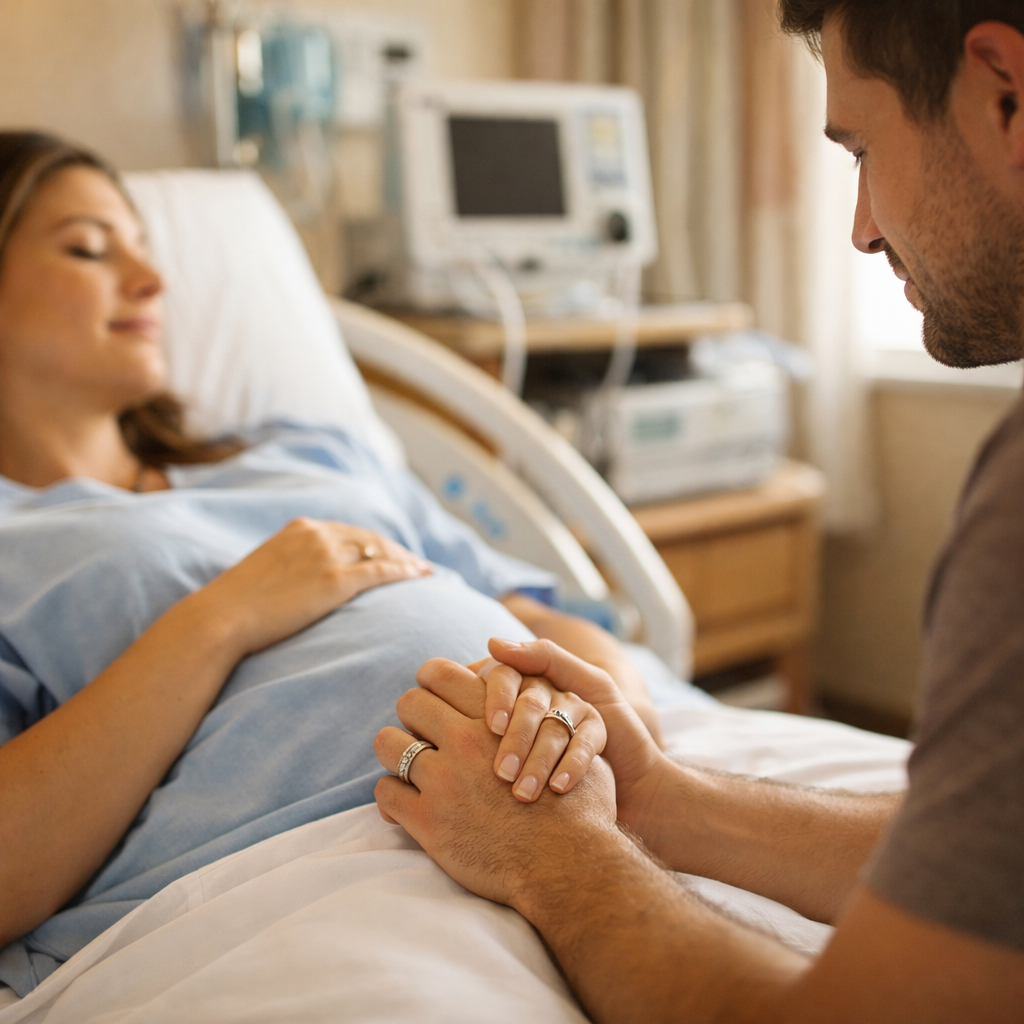
There’s something surreal about that drive to the hospital.
You’re timing contractions. Your partner is double-checking the bags. You may be praying, breathing through waves, or wiping a few emotional tears.
This is it.
Most families know when to head to the hospital. But very few know what actually happens once they arrive at Labor & Delivery.
If you’re planning a hospital birth in Greensboro, Burlington, Chapel Hill, or surrounding North Carolina areas, here’s exactly what you can expect during maternity admissions triage.
Let’s chat about that!
First Stop: Hospital Check-In
When you arrive at your hospital’s Labor & Delivery department, you’ll begin at the check-in desk.
You’ll typically provide:
A photo ID
Your insurance card
Your provider’s name (OB or midwife)
When contractions began
Whether your water has broken
This process is usually brief. Afterward, a nurse will bring you back to the triage area for evaluation.
Helpful Tip:
Schedule a hospital tour during pregnancy (many Greensboro-area hospitals offer them). Knowing where to park and which entrance to use can significantly reduce stress when labor begins.
What Is Labor & Delivery Triage?
Triage is the assessment phase before admission.
The medical team is determining:
Are you in active labor?
Is baby tolerating labor well?
Is it safest to admit you now?
Expect questions — this is normal and important.
What They’ll Check for Mom
Your triage nurse will likely:
Confirm your name, date of birth, allergies, and medical history
Ask detailed questions about contraction timing and intensity
Ask about fluid leakage or bleeding
Take your blood pressure, temperature, and oxygen levels
Request a urine sample
Recommend placing an IV port (saline lock), if you consent to it
Suggest a cervical exam, if you consent to it
About the IV Port
Many North Carolina hospitals recommend placing a saline lock upon admission in case IV access is needed quickly. This does not automatically mean continuous IV fluids.
Policies vary, so ask your provider during pregnancy what your specific hospital requires.
About Cervical Exams
A cervical exam checks dilation, effacement, and baby’s position.
You always have the right to ask questions or decline. If you choose to wait on a cervical check, the nurse may recommend longer monitoring to assess labor progression another way.
You are allowed to be informed and involved in your care.
What They’ll Check for Baby
Baby’s well-being is a top priority during hospital labor triage.
Typically, this includes:
Continuous fetal heart rate monitoring for about 20 minutes
Monitoring contraction frequency and pattern
You’ll likely be asked to lie in bed during this initial monitoring window. If everything looks reassuring, you can absolutely request position changes and intermittent monitoring afterward, so long as you are not considered high-risk.
Movement often helps labor progress and can make contractions more manageable.
Why Triage Sometimes Takes Longer
Admission isn’t always immediate.
You may remain in triage longer if:
You’re still in early labor
Contractions aren’t yet in an active pattern
There are blood pressure concerns
You declined a cervical exam
You are preterm
Remember — this is protocol, not punishment. The team is ensuring safety before assigning a labor room.
You also deserve respectful care. If you feel unheard or pressured, it is appropriate to ask for clarification.
Standard Safety Screening Questions
You may notice your nurse asks your partner or support person to step out briefly.
This is routine.
Hospitals are required to ask all patients whether they feel safe at home and have adequate support. It is standard practice across hospitals in Winston-Salem, Greensboro, Burlington, Chapel Hill, Raleigh, and beyond.
Waiting for a Labor Room
Once active labor is confirmed, the nurse will begin the admission process and work on assigning you a room.
If there is a short wait:
Sway or move through contractions
Rest if contractions are mild
Eat or drink if permitted
Pray, breathe, and reset
If you have privacy, kissing, hugging, and even gentle nipple stimulation can encourage natural oxytocin — the hormone God designed to strengthen labor.
Your body was created with purpose. Even when labor feels intense, it is not random.
What If You’re Sent Home From Triage?
This is one of the most emotional parts of hospital birth — and it happens often.
Sometimes you arrive feeling certain you’re in labor, only to hear:
“You’re still early. We recommend laboring at home a little longer.”
Being sent home can feel:
Discouraging
Embarrassing
Frustrating
Emotional
But hear this clearly:
Being sent home does not mean your labor isn’t real.
It does not mean your body isn’t working.
It does not mean you misread the signs.
Early labor — especially with first babies — can last hours or even days. Many women actually progress more efficiently at home, where stress is lower and comfort is higher.
If You’re Sent Home, Here’s What to Do
Rest as much as possible
Eat nourishing food
Hydrate well
Take a warm shower or bath
Dim the lights
Watch something lighthearted
Pray with your spouse
Sleep if you can
Often, when you relax, labor strengthens.
Birth is rarely linear. It unfolds in its own timing.
God is not surprised by your labor timeline.
When to Call Your Doula
If you are heading to the hospital for triage, let your doula know.
Most hospitals do not allow doulas in the triage room itself. However, once you are admitted to a labor room in active labor, your doula can join you.
A doula provides:
Continuous emotional support
Hands-on comfort measures
Position suggestions
Encouragement for both you and your partner
Help understanding hospital procedures
A calming, faith-centered presence
And if you are sent home from triage? That’s often when doula support is especially valuable. Even if you aren’t ready for in-person support yet, your doula will be available to you via phone and text to offer suggestions.
Planning a Hospital Birth in central North Carolina?
If you’re preparing for a hospital birth in central North Carolina and want steady, knowledgeable, faith-centered support, Holistic Heritage Birth Services would be honored to walk with you.
We serve families throughout Greensboro, Winston-Salem, Burlington, Chapel Hill, Raleigh, and surrounding communities — helping you welcome your baby with confidence, love, faith, and joy.
Reach out today to learn more about doula support for your hospital birth.