
Do Doulas Need a Doula? The Answer Might Surprise You!
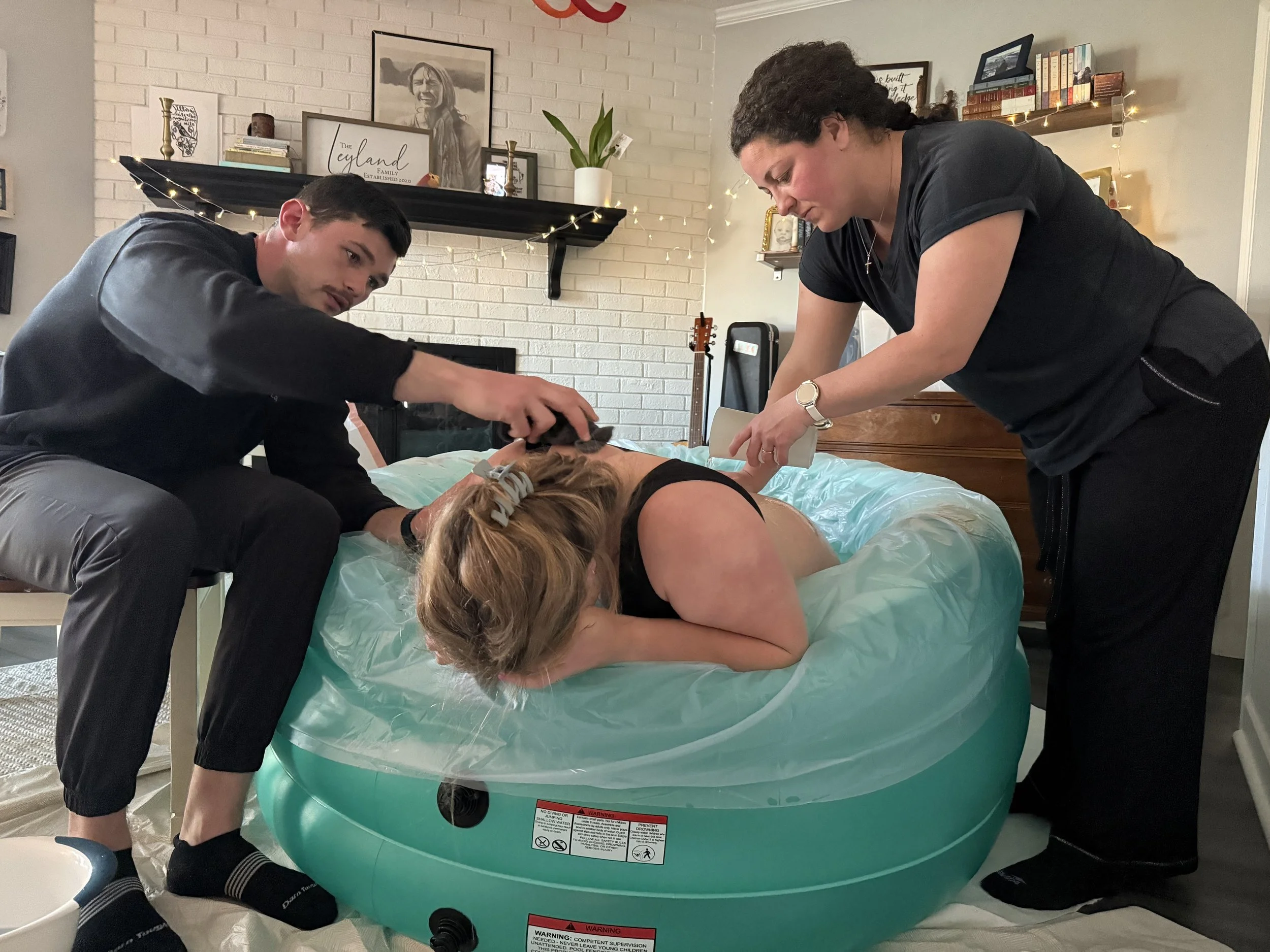
Do Doulas Need Doulas?
As birth workers, we learn a lot about labor and what it looks like to deliver a baby. We are familiar with the stages of labor, we attend births where we see so many different variations of how a birth can unfold, we see all of the pros and cons of different birthing environments. So does a doula need a doula to attend their birth? My answer is a resounding “YES!” and here are a few reasons why.
Birthing a baby requires all of our focus.
Even though we might be equipped with knowledge and experience, actually coping through contractions and keeping your mind set on the goal of bringing your baby earthside is something incredibly taxing, both physically and emotionally. It is beautiful, but it is intense. Having another doula in the room will allow you to fully relax and focus on the task at hand, knowing that you are safe. As the birthing mother, you won’t have to keep your eyes and ears open and be hypervigilant. You’ll know that your doula has the goal of making sure everyone is respecting your birth preferences and will be your advocate when necessary. Even if you have a supportive husband or other friends & family members, I think that having someone who is not as emotionally involved and is trained to advocate in the birth space is going to benefit you so much! And when you are in the thick of laboring, it’s easy to forget some of the information you’ve learned and you may not be able to think as clearly as when you are not laboring. For example, in my own birth story with my second baby, I (Scotlyn) wasn’t sure when to head into the hospital, even though I learned what’s typical with subsequent pregnancies during my doula training. So because I had hired a doula (Kristian!!!), she was able to advise me on when to go in and remind me of what to expect from a second labor.
Birth is unpredictable.
Just because you are aware of the physiological birthing process and you have attended births yourself, doesn’t mean that you will have a textbook experience or know exactly what to do in your own labor. Your doula will likely have knowledge and experience that you don’t have, giving you even more confidence that you’ll be able to navigate challenges and make decisions as they arise.
Emotional support is invaluable, no matter how much you know about the process.
Particularly if your goal is an unmedicated labor, you will need the emotional support and reassurance at some point. A doula can offer specific encouragement backed by knowledge about the birthing process and what’s normal at each stage. For example, during transition, many women will experience self-doubt and panic. You may start to feel afraid, vulnerable, and unsure that you’re able to birth your baby. Regardless of how many times you have seen other women do it, or even if you’ve had other children before, this transition moment comes and you find yourself struggling with the intensity and wondering if you really have what it takes. This is when your doula can remind you of your strength and your body’s ability to do this. They can remind you that what you’re experiencing is a normal part of labor. They can look you in the eyes and tell you that you don’t have to be afraid, you don’t have to run from what you’re feeling, you CAN and will do it!
And not only will she emotionally support you, but she will offer support and guidance to your husband/partner as well. Birth is highly emotional, and many husbands struggle with seeing their wife in pain and not being able to fix it. Your doula can give your husband tools to help you manage the contractions, and just be a calming presence in the room that they can look to for information and reassurance that their wife is okay.
You can process through fears/concerns prenatally.
We all have a unique set of beliefs, opinions and experiences that shape how we feel about birth. Most women have particular fears or concerns about their labor, and it is so helpful to process through those and bring them up in conversation throughout your pregnancy. A prenatal meeting with your doula is the perfect place to do this, because they can pull from their experience and training to share with you what’s normal and help you work through those thoughts and determine where they are coming from. It could be previous birth trauma, it could be a fear instilled in you from other women’s stories you’ve heard, or even a lie that Satan has planted in your heart about your own capability to do it. If kept inside, these things can and will hinder your labor progress. Our bodies and minds are so connected, and we need to feel safe and relaxed in order for our bodies to continue in the labor process. So working through these things as much as you can prior to your labor will benefit you tremendously!
They can take pictures & videos throughout your labor!
Simple, but important. Who doesn’t want to have photos throughout their labor experience? And of course, you’ll want your husband in them! So having your doula there ensures that you get some precious moments captured.
Your doula can intercede for you in prayer in your birth space.
There is NOTHING better, in my opinion, than someone continuously and specifically praying for you throughout your labor. James 5:16 says that “the prayer of a righteous person has great power as it is working.” (ESV) Your doula will see every detail of how your labor is unfolding and pray over you specifically, asking God to help you, strengthen you, and uphold you so that you may complete the task set before you. She will see the different emotions that arise in you, she’ll see when you’re weary and discouraged. She can lift you up and invite the Holy Spirit to move and give you what you need to keep going.
In Conclusion…
It is my belief that doulas need doulas just as much as anyone! In fact, I think choosing to have a doula despite working in the birth world just proves how much we believe in the value of what we do. Being willing to be on the receiving end of doula support and fully step into the role of the birthing mother models exactly the kind of humility, vulnerability, and surrender that is needed to bring a baby into the world!